
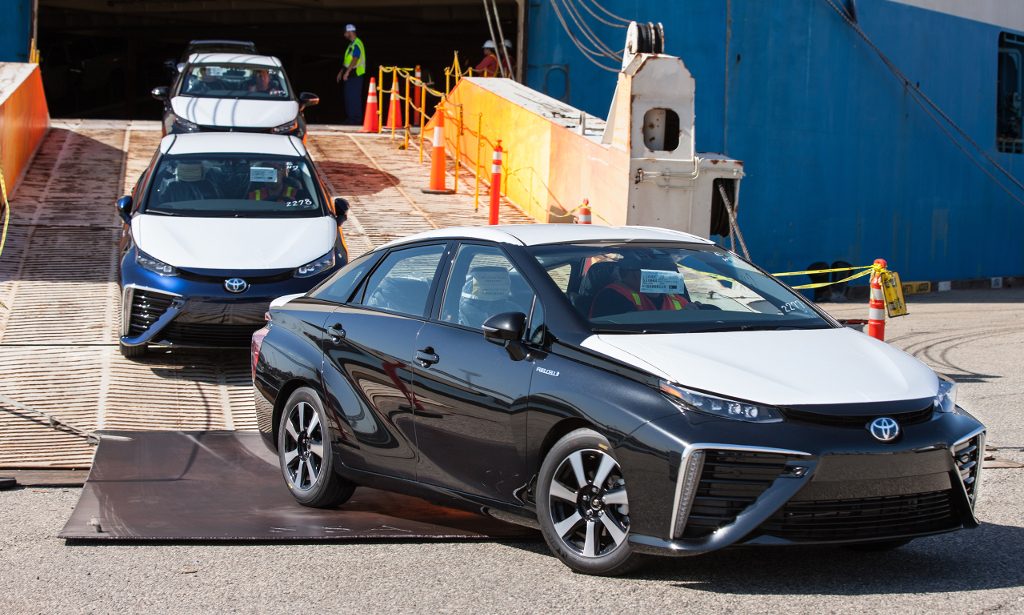
The Law Office of Jason Ingber is investigating a growing number of complaints filed with the National Highway Traffic Safety Administration (NHTSA) regarding safety defects, software malfunctions, and infrastructure failures affecting Toyota’s hydrogen-powered Mirai vehicles.
These reports, submitted by drivers across California, reveal a troubling pattern of safety risks, defective driver-assistance systems, and unreliable fueling infrastructure, issues that undermine Toyota’s claims of innovation and environmental responsibility.
Fueling Failures Leave Drivers Stranded
Several consumers reported that their vehicles became undriveable due to nonfunctional hydrogen fueling stations, forcing them to miss work and spend hours or days waiting for assistance.
One complaint details a driver who could not refuel for weeks because local hydrogen stations were down or malfunctioning, leaving them without reliable transportation despite being promised access to a “comprehensive fueling network.”
The driver reported being denied a rental vehicle by Toyota representatives, even after repeated requests. These recurring fueling issues highlight ongoing infrastructure deficiencies that make the Mirai impractical for everyday use.
Driver-Assistance and Braking System Failures
Multiple NHTSA complaints also describe malfunctions of the Mirai’s driver-assistance and emergency braking systems.
In one reported incident, a 2022 Mirai equipped with Toyota’s Teammate Advanced Drive package failed to stop as intended, resulting in a collision with a parked vehicle. Another driver experienced a similar malfunction where the emergency braking system failed to engage, causing a rear-end crash.
Despite these reports, Toyota allegedly declined to offer repairs or compensation, claiming that “no fault was found” during its inspection.
Poor Fuel Efficiency and Safety Risks
A separate NHTSA complaint from Southern California raised concerns over poor fuel efficiency, drivers reported achieving less than 150 miles per tank, far below Toyota’s advertised range.
The same complaint described elderly and disabled consumers left stranded due to fueling malfunctions, frozen nozzles, and station downtime, creating safety risks and potential violations of consumer protection laws.
A Pattern of Consumer Deception
These reports echo allegations raised in recent lawsuits filed against Toyota for false advertising, breach of warranty, and deceptive business practices related to its hydrogen vehicles.
The combination of defective braking systems, poor infrastructure, and warranty denials suggests that the company may have prioritized sales and marketing over consumer safety and reliability.
Protecting Consumers from Corporate Negligence
At the Law Office of Jason Ingber, we are committed to standing up for consumers misled or harmed by defective vehicle technology and corporate misconduct.
If you have experienced mechanical failures, fueling issues, or safety hazards with your Toyota Mirai or other hydrogen vehicle, contact us today for a free consultation.
We represent clients across California in product defect, false advertising, and consumer protection lawsuits against major automakers.
We work on a contingency fee basis, meaning you pay nothing unless we recover compensation for you.