
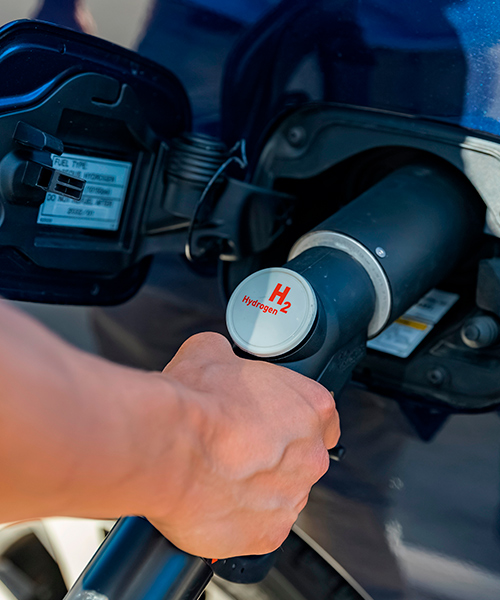
The Law Office of Jason Ingber has filed an amended arbitration complaint alleging that Toyota engaged in widespread misrepresentation and omitted critical information regarding the functionality, fueling infrastructure, cost, and overall reliability of its hydrogen-powered vehicles. The filing outlines significant claims that consumers were sold vehicles that could not be fueled consistently, could not achieve the advertised driving range, and were far more expensive to operate than promised.
Promises of Innovation That Did Not Match Reality
According to the complaint, Toyota marketed its hydrogen vehicle as a cutting-edge, environmentally friendly car with the convenience and practicality of a traditional gasoline vehicle. Consumers were allegedly told that:
-
The vehicle could achieve up to 400 miles per tank
-
Hydrogen fuel would be easily accessible
-
New fueling stations were opening soon
-
Refueling would take only 5 to 7 minutes
-
Hydrogen fuel would be cheaper than gas and stable in price
-
Buyers would qualify for specific tax incentives
-
Financing would be offered at low or zero percent interest
The filing alleges these statements were false, incomplete, or misleading at the time they were made.
Severely Limited Fueling Infrastructure
The complaint highlights a critical problem: Toyota allegedly knew that the hydrogen fueling network was unreliable and insufficient to support the number of vehicles it was selling. Consumers reported:
-
Long lines and frequent outages at the few stations available
-
Stations often out of service, frozen, or completely without fuel
-
Extended refueling times lasting 45 minutes to more than 90 minutes
-
Significant travel distances just to find a working station
These infrastructure failures, the filing asserts, made the vehicle impossible to use for reliable daily transportation.
Misrepresented Driving Range and Rising Fuel Costs
Despite advertising an approximate 400-mile range, the complaint states that real-world performance was far lower, often between 290 and 310 miles per full tank. The range allegedly dropped even further when basic features like air conditioning were turned on.
Consumers also faced steep hydrogen price increases, jumping from around $22 per kilogram to over $36 per kilogram. These rising costs were allegedly known to Toyota yet not disclosed during the sales process.
Misleading Financing Terms and Tax Benefit Claims
The amended complaint also alleges that Toyota representatives made inaccurate statements regarding financing and tax incentives, including:
-
Promising zero percent financing
-
Stating that consumers qualified for federal tax credits they could not legally receive
These representations allegedly induced buyers to enter into purchase agreements under false pretenses.
Substantial Financial and Emotional Harm
The filing outlines significant damages, including:
-
Thousands spent on hydrogen fuel
-
Insurance, registration, and maintenance costs
-
Additional financial burden once complimentary fuel credits are depleted
-
The need to purchase a separate vehicle due to the unreliability of the hydrogen car
-
Missed work shifts, limited career opportunities, and professional setbacks
-
Severe anxiety, stress, and emotional distress due to fueling uncertainty
-
Long-term financial disruption, including interference with personal financial goals
Alleged Fraud, Warranty Violations, and Unfair Competition
The complaint asserts multiple legal violations, including:
-
Fraud and intentional misrepresentation
-
Breach of the implied warranty of merchantability
-
Breach of the covenant of good faith and fair dealing
-
Unfair business practices under California’s Unfair Competition Law
The filing argues that Toyota knowingly concealed the limitations of its hydrogen program while continuing to market the vehicle as a dependable, cost-effective, long-range option.
Contact The Law Office of Jason Ingber
Consumers who purchased hydrogen fuel cell vehicles and experienced fueling failures, reduced range, unexpected costs, or misleading sales practices may have legal options.
Contact us today for a free consultation.
We represent consumers throughout California and work on a contingency fee basis, meaning you do not pay unless compensation is recovered.