
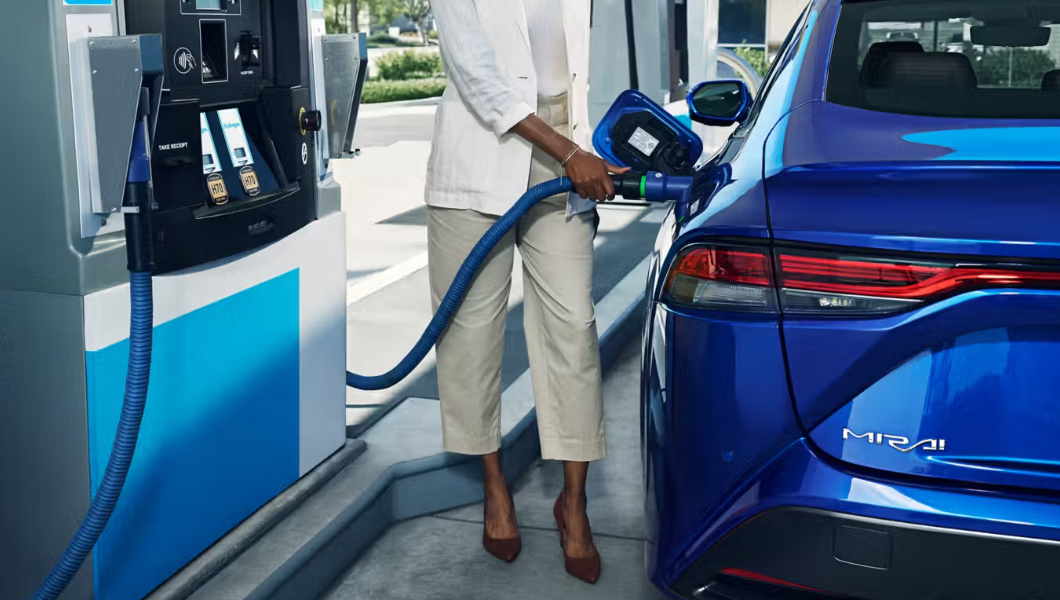
The Law Office of Jason Ingber has filed another lawsuit against Toyota Motor Corporation, highlighting serious concerns over deceptive sales tactics, misleading financing terms, and defective vehicle performance related to the company’s hydrogen-powered Toyota Mirai.
Promises of Innovation, Delivered as Frustration
Toyota promoted the Mirai as the future of sustainable driving, a luxury hydrogen vehicle offering zero emissions, low fueling costs, and generous incentives including hydrogen fuel cards and rebates. Yet, as alleged in the complaint, the reality for many consumers has been far from the clean, cost-efficient dream they were sold.
Owners report that the Mirai suffers from poor fuel efficiency, unreliable electronic systems, and a growing lack of access to functional hydrogen fueling stations. Despite Toyota’s marketing claims of a 400-mile driving range, many drivers report barely reaching 250 miles on a full tank.
Escalating Costs and Diminished Value
Beyond mechanical and performance issues, the complaint describes how hydrogen prices, once promised to decrease, have skyrocketed to over $36 per kilogram, leaving owners with unexpectedly high fueling expenses. The promised network of new hydrogen stations has failed to materialize, forcing drivers to travel long distances or endure broken fueling infrastructure just to keep their vehicles running.
When frustrated customers sought relief, they were often told that these problems were not covered under Toyota’s warranty, despite the clear link between the company’s representations and the resulting financial losses.
Deceptive Financing and Arbitration Concerns
The lawsuit also points to issues with Toyota’s digital sales and finance process. Consumers were directed to sign complex electronic agreements without being properly informed that they contained binding arbitration clauses, effectively waiving their right to pursue claims in court.
These contracts, often signed electronically under the guidance of dealership staff, were presented in a way that left many customers unaware of their legal significance.
In some cases, the sales materials stated that negotiations occurred in languages other than English, even when no such translation was provided during the transaction. This created confusion and raises questions about compliance with California’s consumer protection laws.
Toyota’s Response and Legal Action
When vehicle owners reported issues to Toyota, the company repeatedly denied responsibility. In its written responses, Toyota claimed that the vehicles were performing “as designed” and that problems such as poor range, fueling difficulty, or price increases were not defects covered under warranty.
Our firm’s lawsuit seeks to hold Toyota accountable for deceptive business practices, breach of warranty, and violations of consumer protection statutes. We are pursuing compensation for affected consumers, including reimbursement of purchase costs, repair expenses, and damages related to diminished vehicle value.
Protecting Consumers from Corporate Misrepresentation
At The Law Office of Jason Ingber, we are committed to standing up for consumers who have been misled or financially harmed by corporate misconduct. Our team represents clients throughout California in automotive defect, false advertising, and consumer fraud cases against major manufacturers.
If you purchased or leased a Toyota Mirai and experienced ongoing mechanical issues, poor hydrogen availability, or misleading financing terms, contact us today for a free consultation. We work on a contingency fee basis, meaning you do not pay unless we recover compensation for you.